
Overview
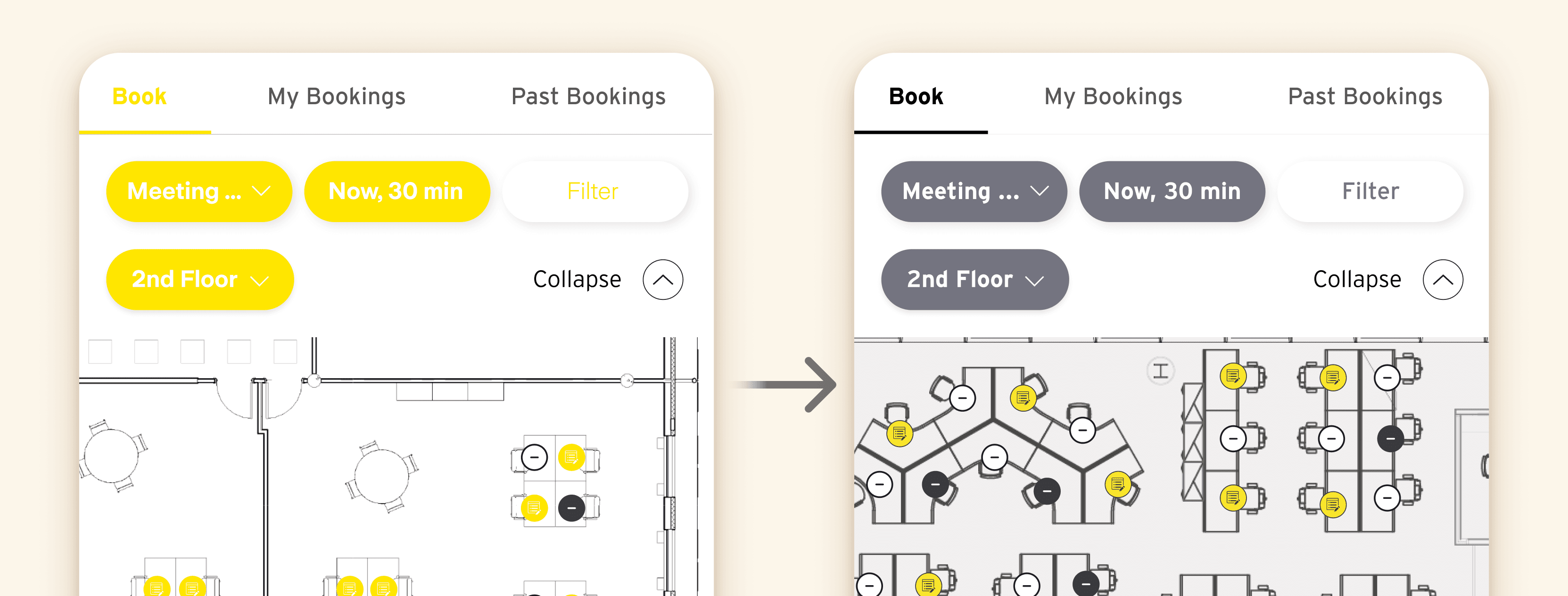
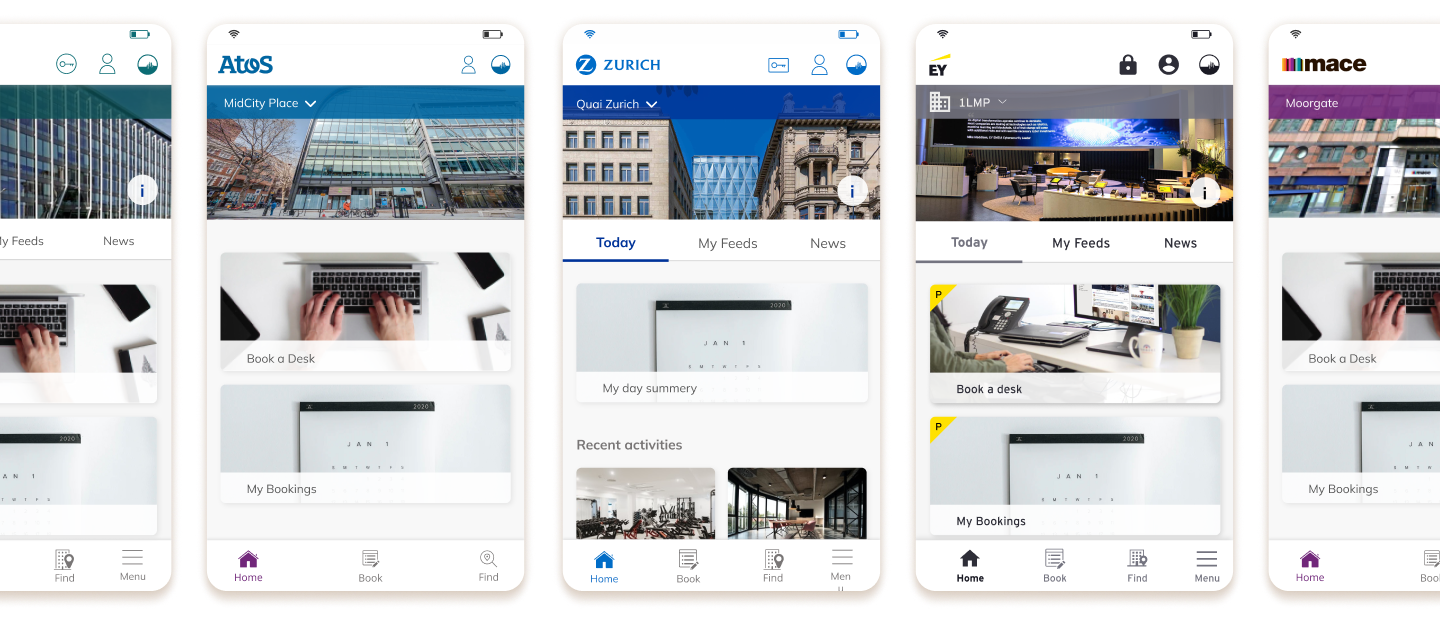
Spica's workplace platform was designed to be customised for different enterprise clients, including Zurich and EY.
The Problem
Clients wanted their own visual identity and brand guidelines reflected in the product, while the product needed to target WCAG 2.0/2.1 AA accessibility requirements.
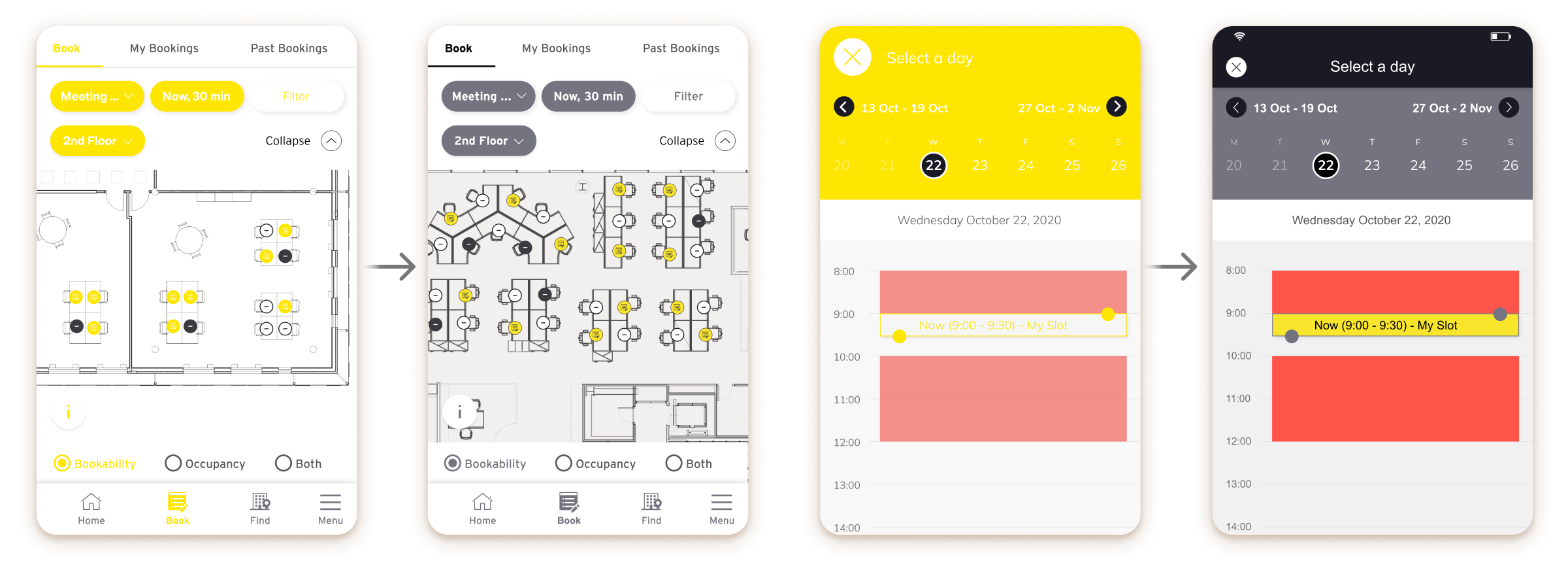
Make accessibility part of the product definition
Rather than waiting until implementation to check whether the interface was accessible, I advocated for accessibility as a requirement of the product being sold.
I was trusted to take ownership of the accessibility requirements and make the case for accessibility with clients. I audited existing brand guidelines, identified potential conflicts with WCAG AA, and worked with client stakeholders, designers and developers to find solutions that preserved brand identity without compromising accessibility.
I also created accessibility guidelines for the product, turning standards into practical rules that could be applied consistently across customisable implementations.
The process
Achievements
1. Established accessibility as a product requirement — Advocated for accessibility early in the enterprise sales/design process and secured client buy-in to target WCAG AA.
2. Reconciled brand identity with accessibility — Audited enterprise brand guidelines and worked with clients to find practical alternatives where brand choices conflicted with accessibility requirements.
3. Created a reusable accessibility framework — Translated WCAG principles into practical design requirements and guidelines that could be applied across Spica's customisable client implementations.
4. Bridged clients, design & engineering — Worked across client stakeholders, UX/UI and developers to turn accessibility requirements into implementable design decisions.